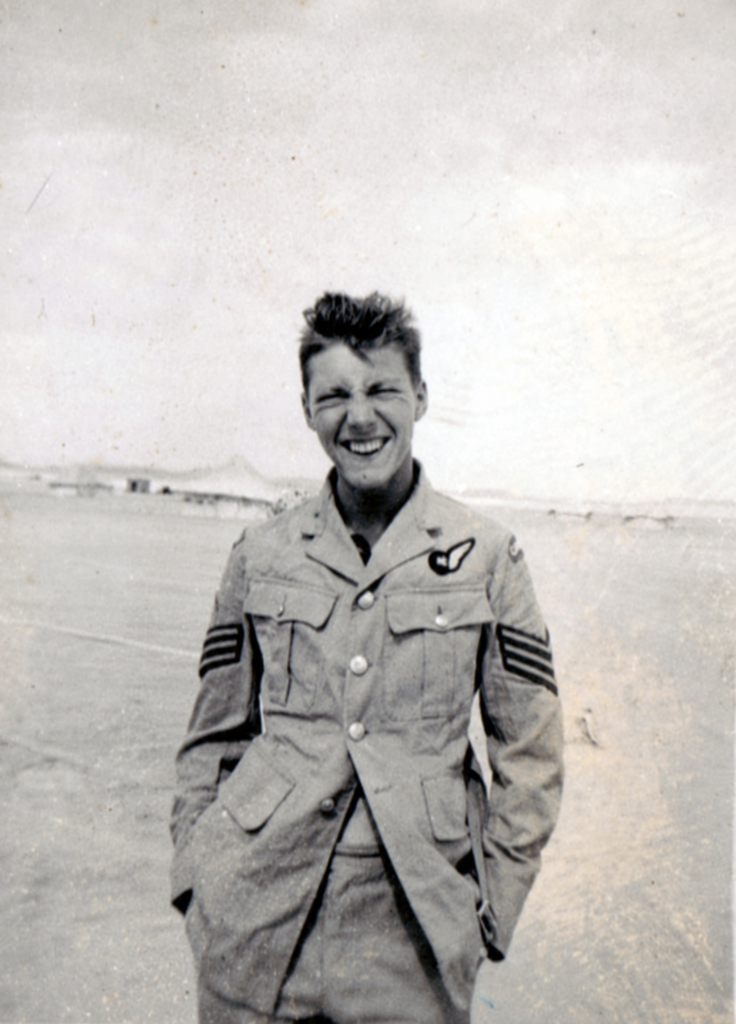
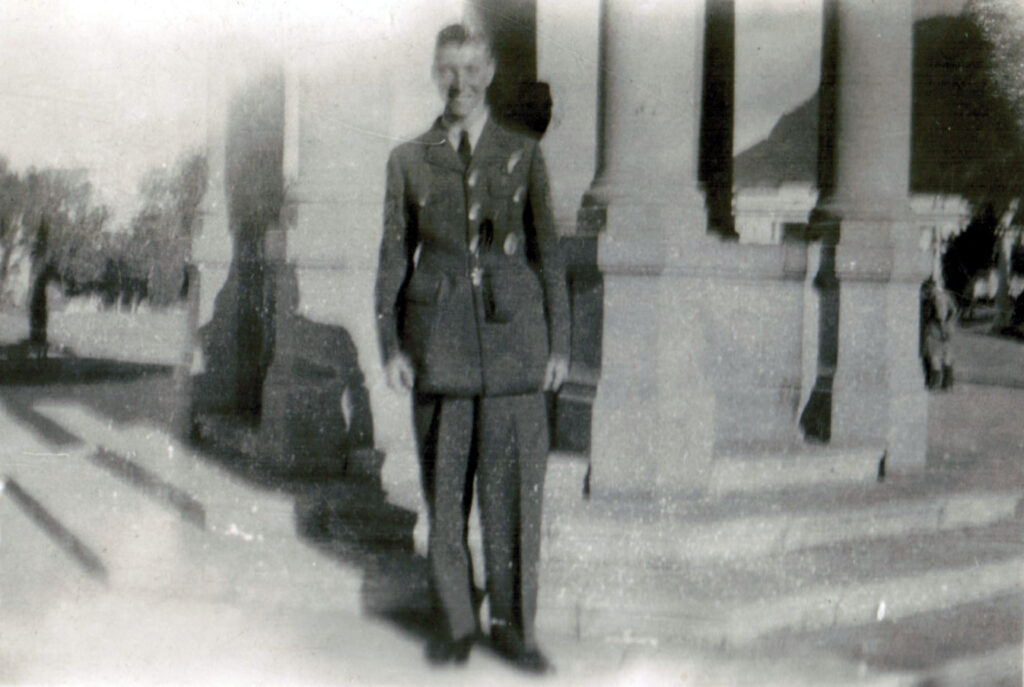
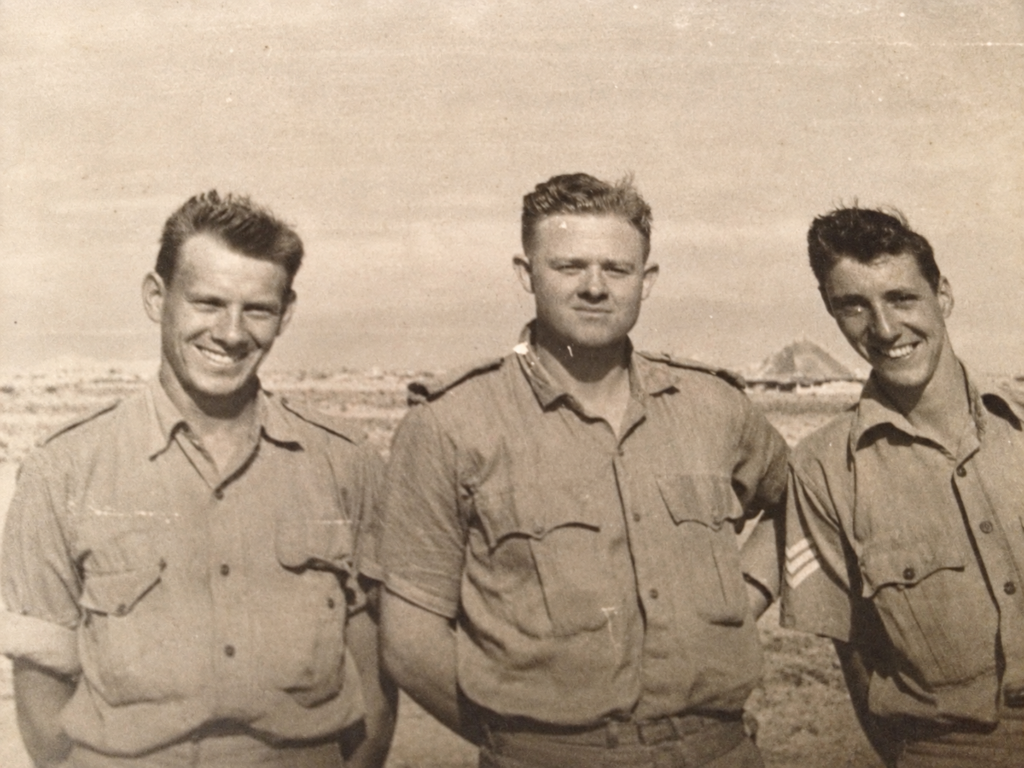
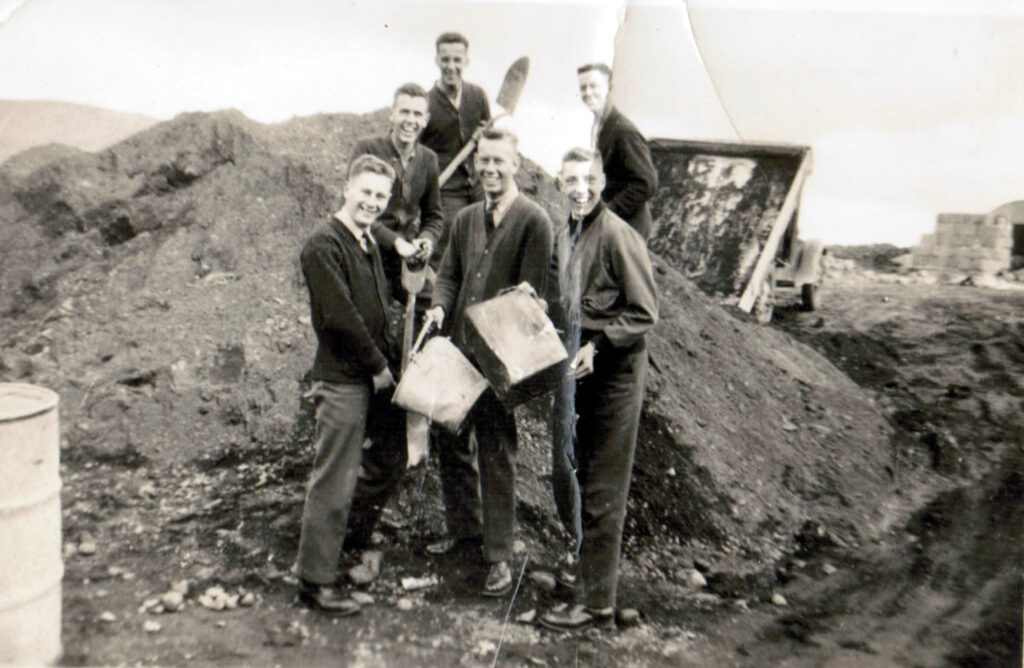
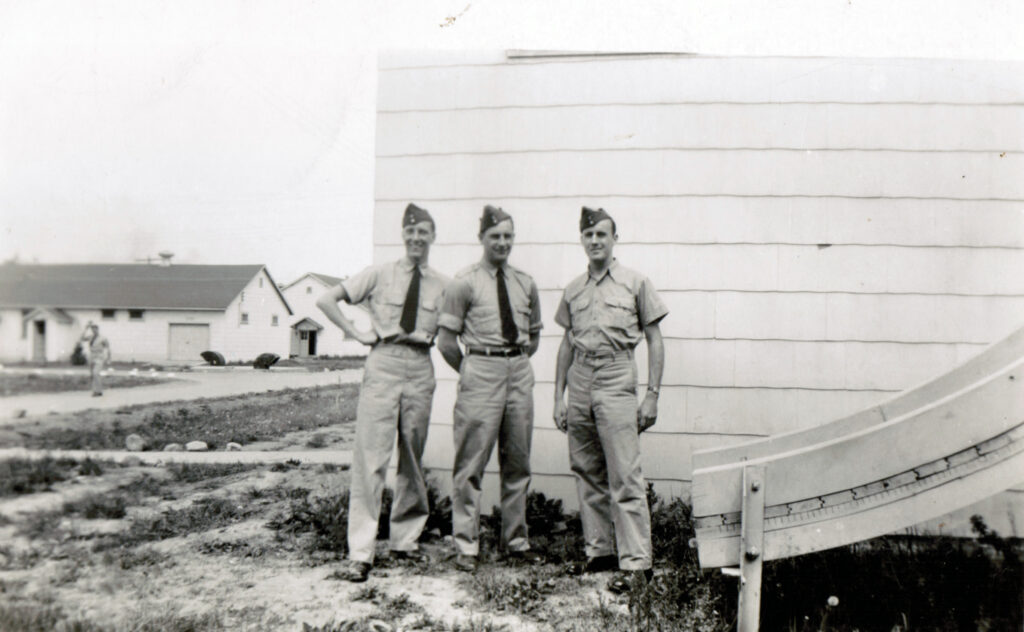
On 21 August 1942, my grandfather, Flight Sergeant John Allen Howell, was twenty years old and serving in Egypt. He was an RCAF wireless air gunner attached to No. 12 Squadron of the South African Air Force.
His flying logbook records no flight that day. The squadron’s Operations Record Book tells us what was happening around him at Landing Ground 99.
The day began with flies. It ended with an air-raid alarm and shrapnel falling across the camp.
Cleaning the Camp
No. 12 Squadron had returned to LG 99 after a period of leave. During its absence, flies had multiplied among the empty tents and elsewhere around the camp.
The squadron diarist recorded that “all available labour was put to the task of cleaning the vacated tents and the camp site generally.” A medical officer from No. 24 Squadron SAAF directed the work.
The entry offers a useful reminder of what kept a desert airfield operating. Aircraft and flying duties formed only part of camp life. Personnel also had to clean their quarters and control conditions that threatened their health.
The diary does not name Allen or tell us whether he took part in the cleanup. It records the work of the squadron as a unit. Allen’s service records place him with that unit, but they do not account for his actions during each hour of the day.
Landing Ground 99
LG 99 formed part of the El Amiriya group of wartime landing grounds near Alexandria. Allen and the other men of No. 12 Squadron lived and worked in a camp built to support air operations in the Egyptian desert.
The diary’s references to tents, sanitation and fly breeding give us some idea of the conditions. This was a working military camp rather than a permanent air station with the facilities its personnel might have known elsewhere.
By August 1942, the Axis advance into Egypt had stopped at El Alamein, about 100 kilometres west of Alexandria. The front had stabilized, but enemy aircraft could still reach Allied camps and airfields behind the line.
On the night of 21 August, the war reached LG 99.
An Air-Raid Alarm
No. 3 South African Air Force Wing reported an unusual number of enemy aircraft approaching the area. The camp sounded its alarm, and heavy anti-aircraft guns opened fire.
No bombs fell in the immediate vicinity. The danger came from the anti-aircraft shells bursting overhead. The squadron diarist described a “rain of shrapnel throughout the camp.”
The record does not tell us where Allen went when the alarm sounded or what he saw. It does establish what happened at the camp where his squadron was stationed. That distinction matters. The diary allows me to reconstruct the setting around his service without supplying experiences he never recorded.
The Following Morning
The entry gains more meaning when read alongside Allen’s flying logbook.
On 22 August, the day after the camp cleanup and air-raid warning, Allen returned to operational flying. His logbook records a sortie in a Boston aircraft to Fuka Aerodrome. It was his fortieth and final recorded operational sortie with No. 12 Squadron SAAF.
The surviving records therefore place two different parts of his wartime service side by side. On 21 August, the squadron dealt with sanitation work and an enemy-aircraft warning at camp. On 22 August, Allen flew another operation over the Western Desert.
I knew Allen as my grandfather, long after these events. He did not leave me a personal account of that night at LG 99. The squadron diary cannot tell me what he thought or felt, but it does recover something his service file and flying logbook leave out: the conditions around him during the final full day before his last recorded operational sortie with the squadron.
Sources
- AIR 27/166/172 – No. 12 Squadron SAAF Operations Record Book, 21 August 1942
- John Allen Howell RCAF service file, R/73766, Library and Archives Canada.
- John Allen Howell personal flying logbook, private family collection.
- List of North African airfields during World War II