Three generations of my Lemon family shared the name Samuel.
Captain Samuel Lemon, born about 1705, was the first. His son Samuel, born in 1745, is the subject of this article and my sixth great-grandfather. The third was his son, born in 1774.
Using their dates helps keep the three men separate. It also reveals a pattern that continued across generations: property in Cornwall, work connected with trade and, in the case of the two younger Samuels, service in HM Customs.
A property purchase in 1770
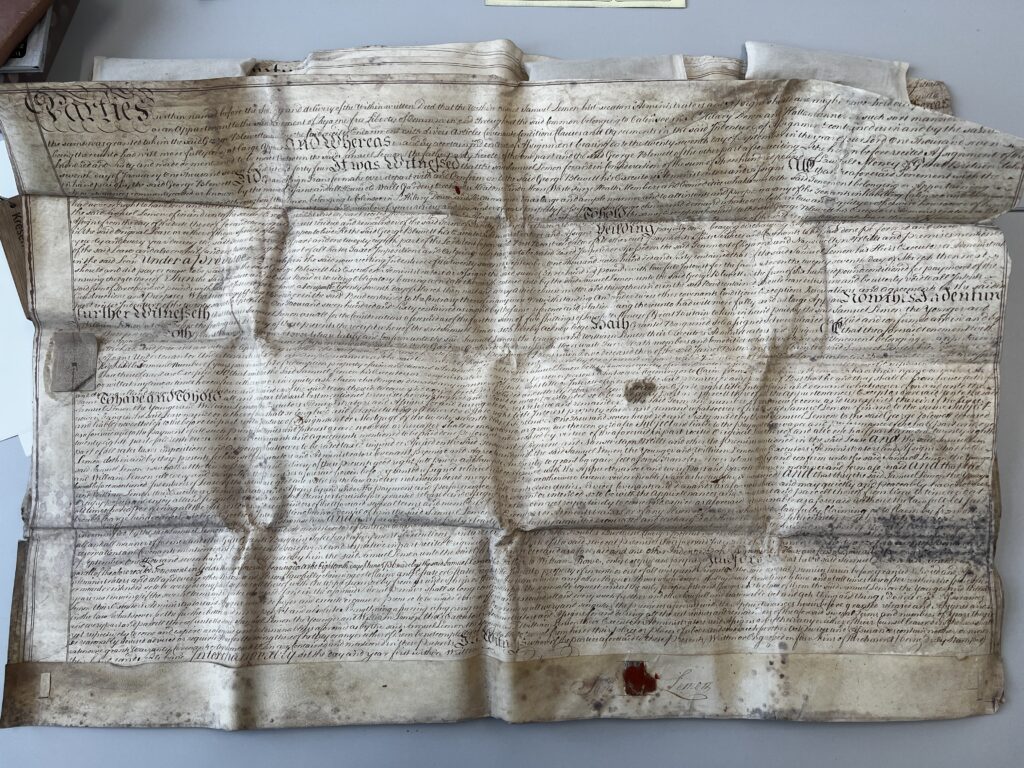
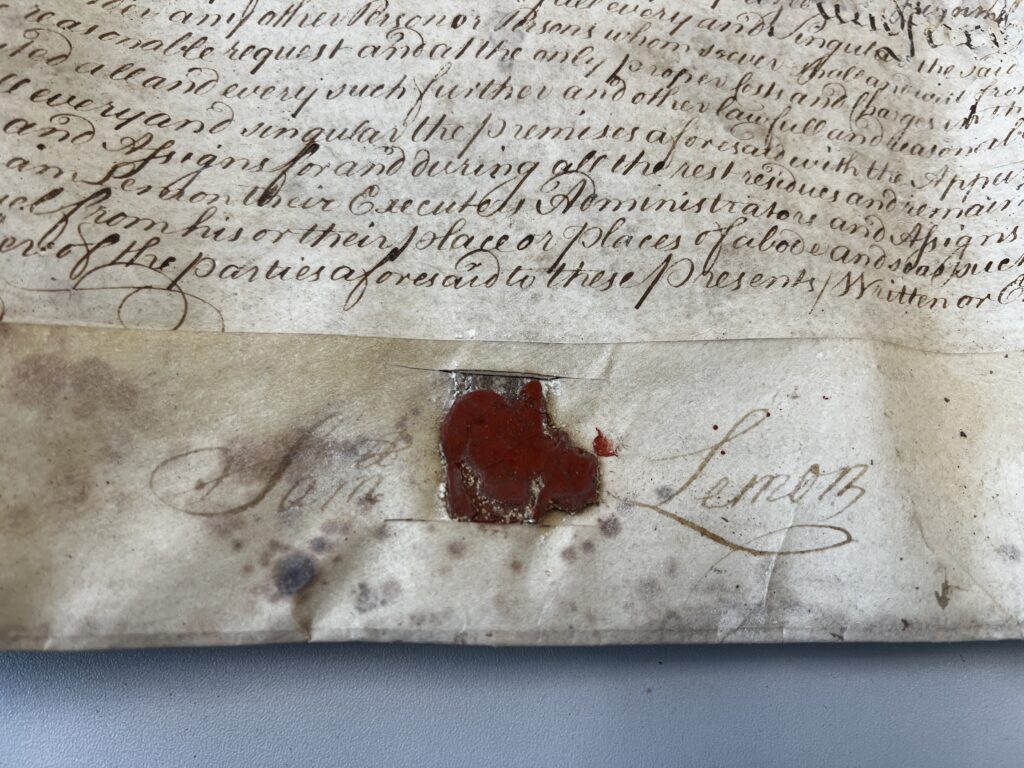
In 1770, Samuel Lemon and his brother William purchased property from their father for £800. Samuel was about twenty-five.
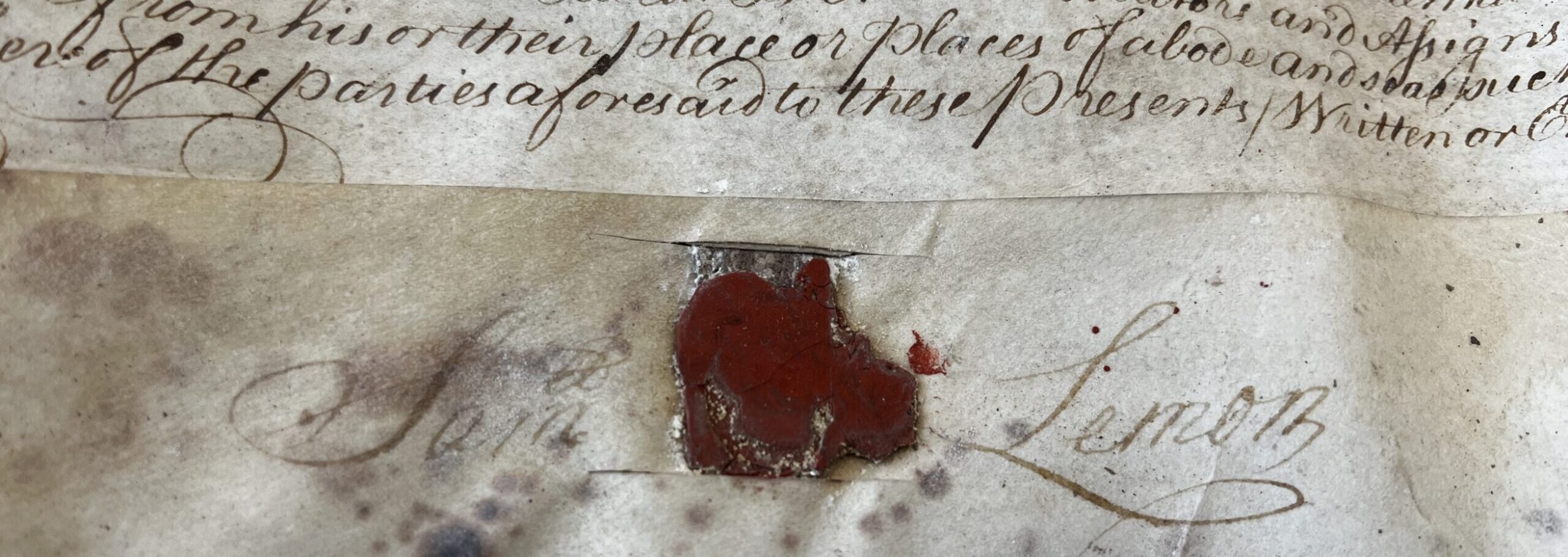
The deed, held by Kresen Kernow under reference GR/478, concerns land around Perranuthnoe and Germoe. The £800 consideration represented a substantial transaction for two young men, though any modern equivalent depends on the measure used.
Samuel married Elizabeth Furse at Madron on 27 September 1771. The couple had eight children, including two sons named Thomas, the first of whom died in infancy. Their second child, Samuel, was born at Breage in 1774.
Samuel and Elizabeth made their home at Pellor House in Breage. The property would become part of the story when Samuel’s business failed.
Samuel Lemon and Company
Captain Samuel Lemon died in June 1786 at the age of eighty-one.
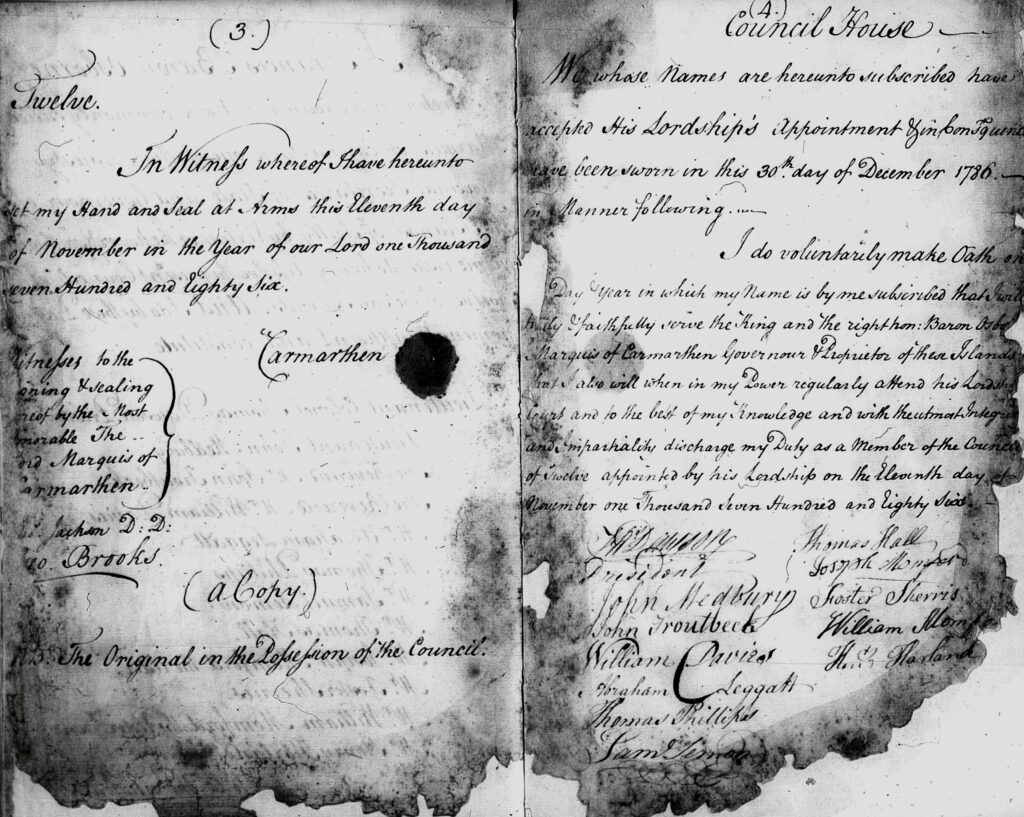
By 30 December of that year, the Council Book for the Isles of Scilly identified his son Samuel as Collector of HM Customs at St Mary’s. The same record documents his appointment to the Council of Twelve by Francis Godolphin Osborne, 5th Duke of Leeds, who served as Governor of the Isles.
The Council of Twelve handled local administration in the governor’s absence, including matters connected with trade and justice. Samuel’s customs position placed him close to the shipping activity that passed through the islands.
The surviving records do not explain how Samuel secured the appointment. Sir William Lemon had political connections and served in Parliament during the same period as the Duke of Leeds. That overlap provides a subject for further research, but it does not prove that Sir William recommended Samuel for the post.
Samuel’s experience as a merchant may also have suited him to customs work. His knowledge of shipping, cargo and commercial accounts would have had practical value, even after the failure of his own company.
Samuel’s final years
Samuel served as Collector of HM Customs and remained associated with the Council of Twelve until his death.
He died at Helston on 10 August 1800 at the age of fifty-four and was buried there three days later. I have not found a record that explains why he was in Helston or gives the cause of his death.
Elizabeth remained at Pellor House. She died in 1805, five years after her husband.
Their son Samuel continued the family’s connection with HM Customs. Records place him as Collector of Customs at Falmouth in May 1801. The following month, authorities appointed him Collector at St Mary’s, the post his father had held.
The younger Samuel remained in the Isles of Scilly for the rest of his career. He married Elizabeth Leggatt at St Mary’s in September 1801 and served as Collector until his death in 1834.
Questions that remain
The surviving records trace a sharp change in Samuel Lemon’s circumstances. In the 1770s, he acquired property and helped run a shipping company in Marazion. In 1783, he faced bankruptcy. Within a few years, he held two public positions in the Isles of Scilly.
Sir William Lemon’s purchase of the Pellor House lease may have helped Samuel’s family remain in their home. His political connections may have played some part in Samuel’s customs appointment. No document I have found confirms either explanation.
Those unanswered questions point towards the next records to examine: correspondence within the Lemon family, HM Customs appointment papers and documents connected with the Duke of Leeds and the administration of Scilly.
For now, the records show that Samuel rebuilt his working life after bankruptcy and established a connection with the Isles of Scilly that his son continued for more than thirty years.
Images courtesy of Kresen Kernow. Accessed January 2024.