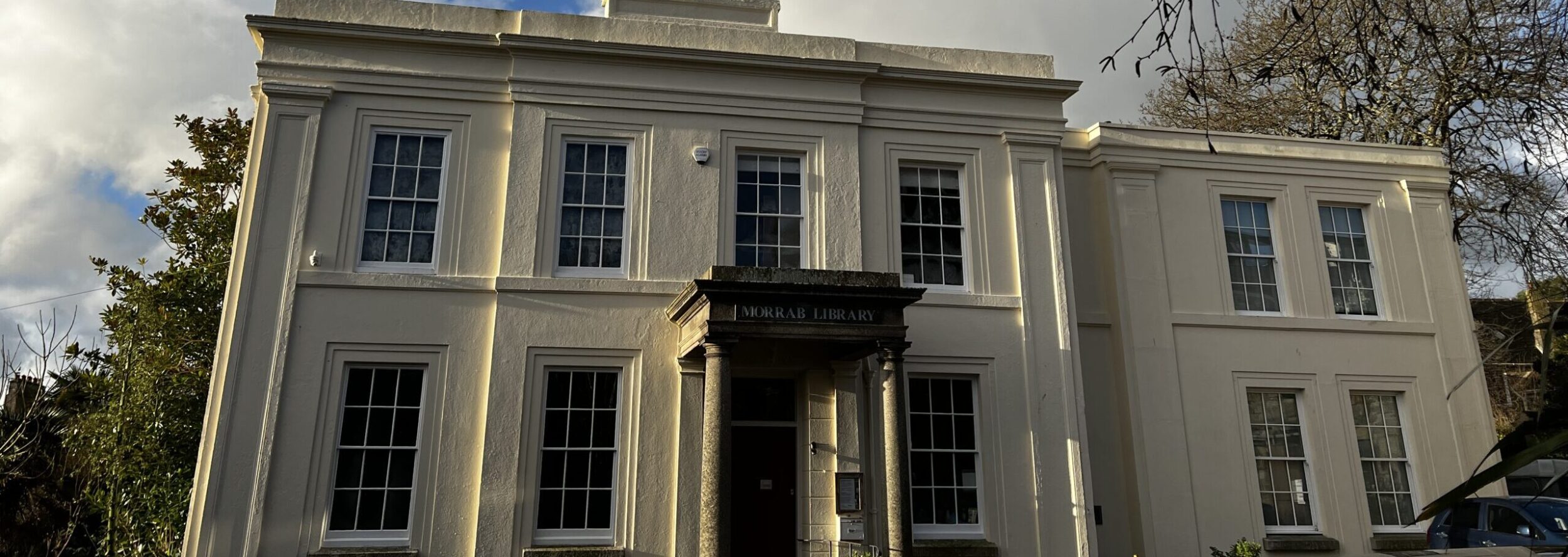
In January 2024, I met Dr Charlotte MacKenzie on the steps of Morrab Library in Penzance. We had exchanged messages through Twitter, but this was our first meeting in person. Charlotte had suggested the library after I contacted her to ask whether she might have time to discuss my Cornish family research.
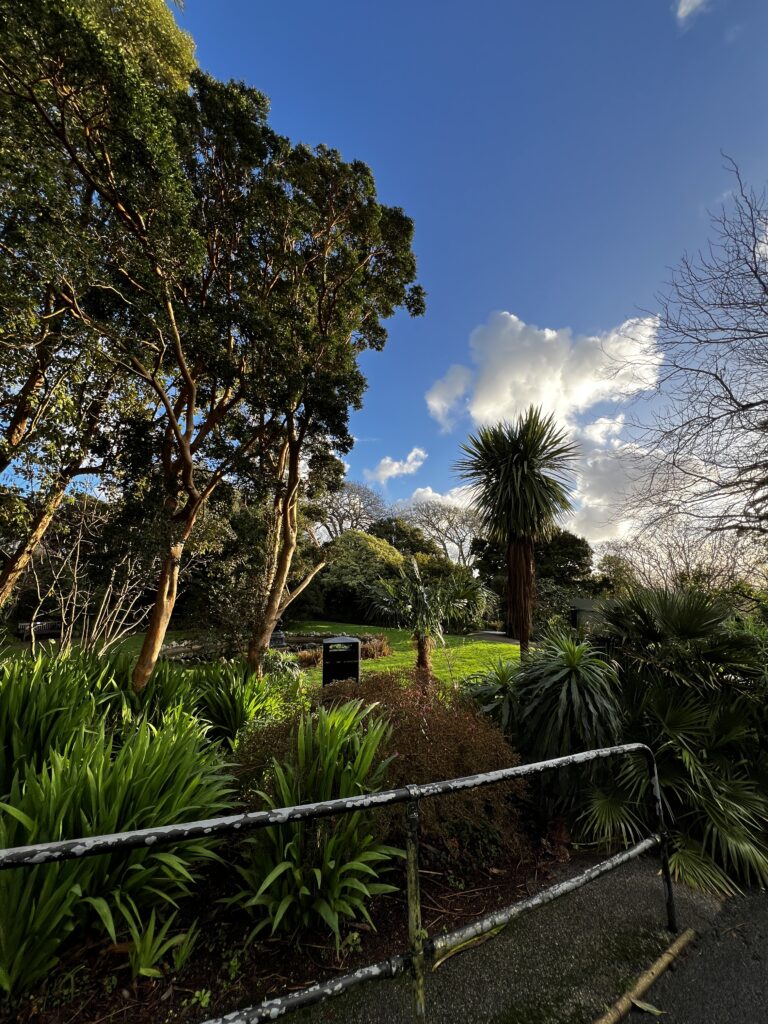
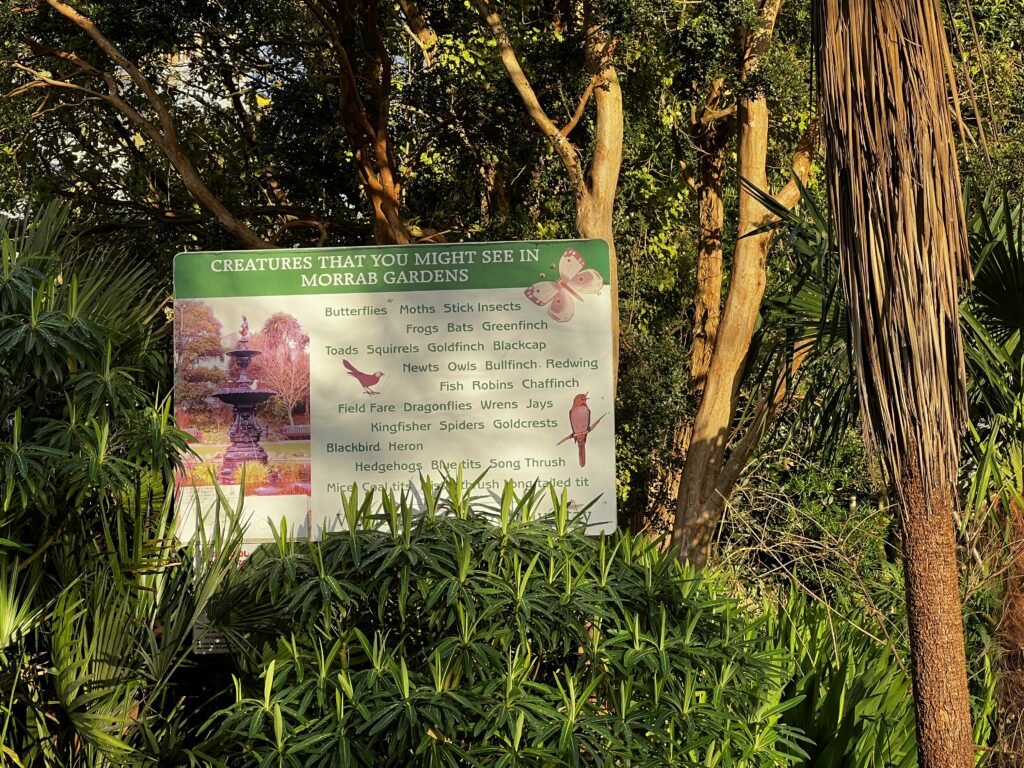
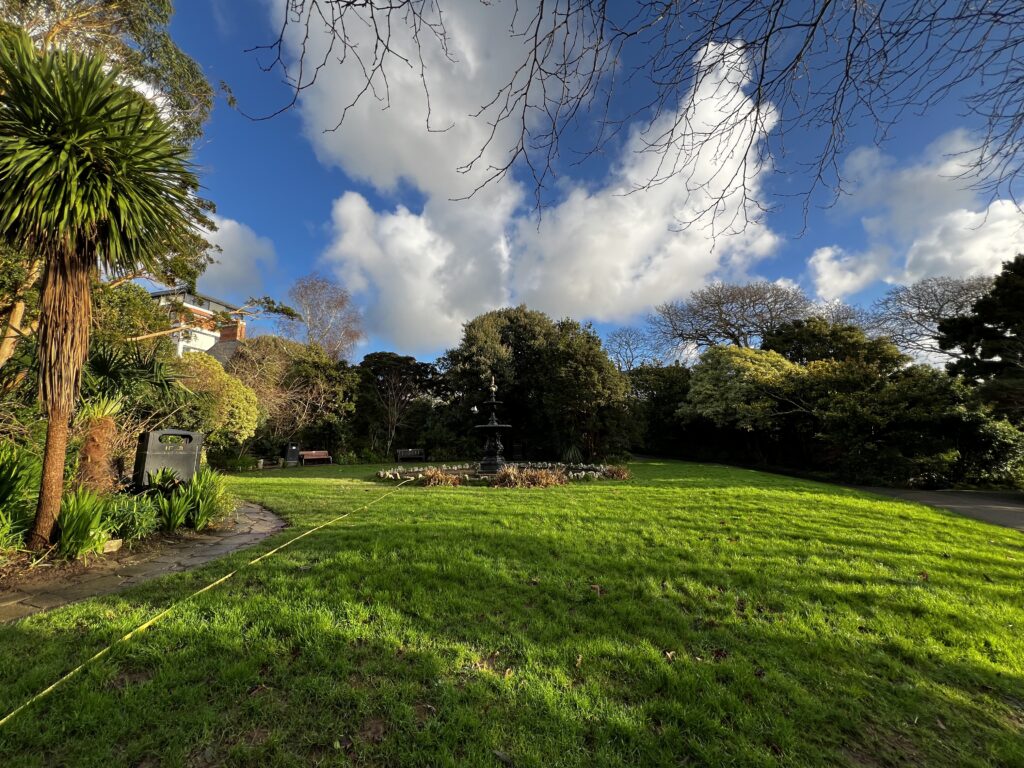
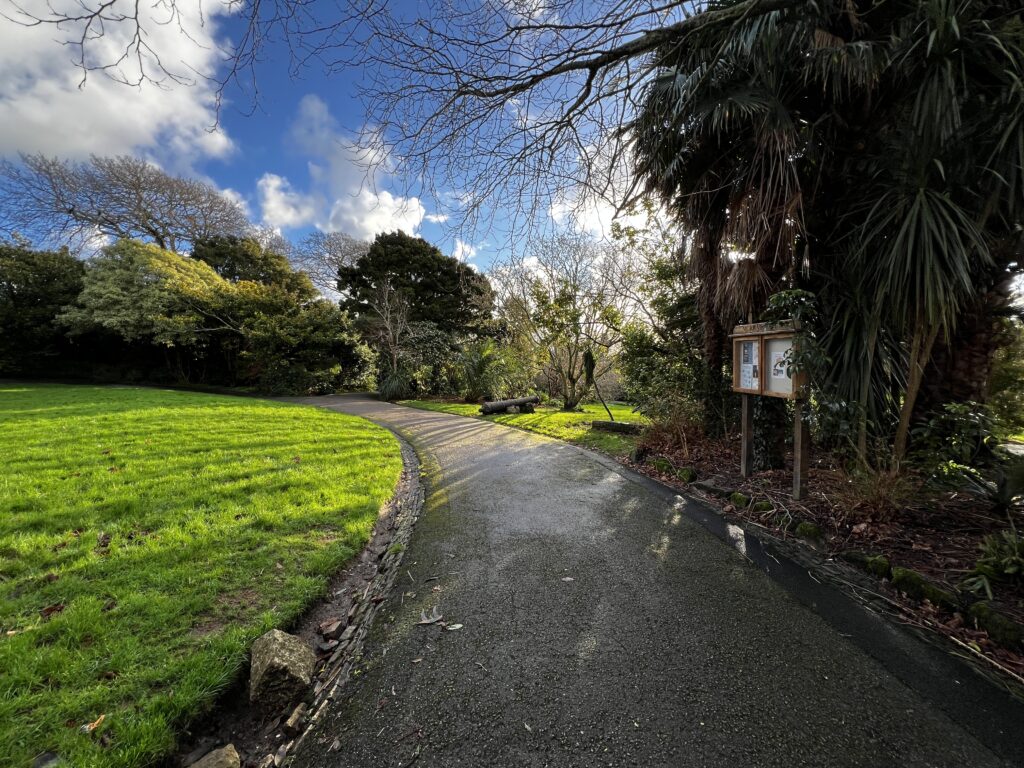
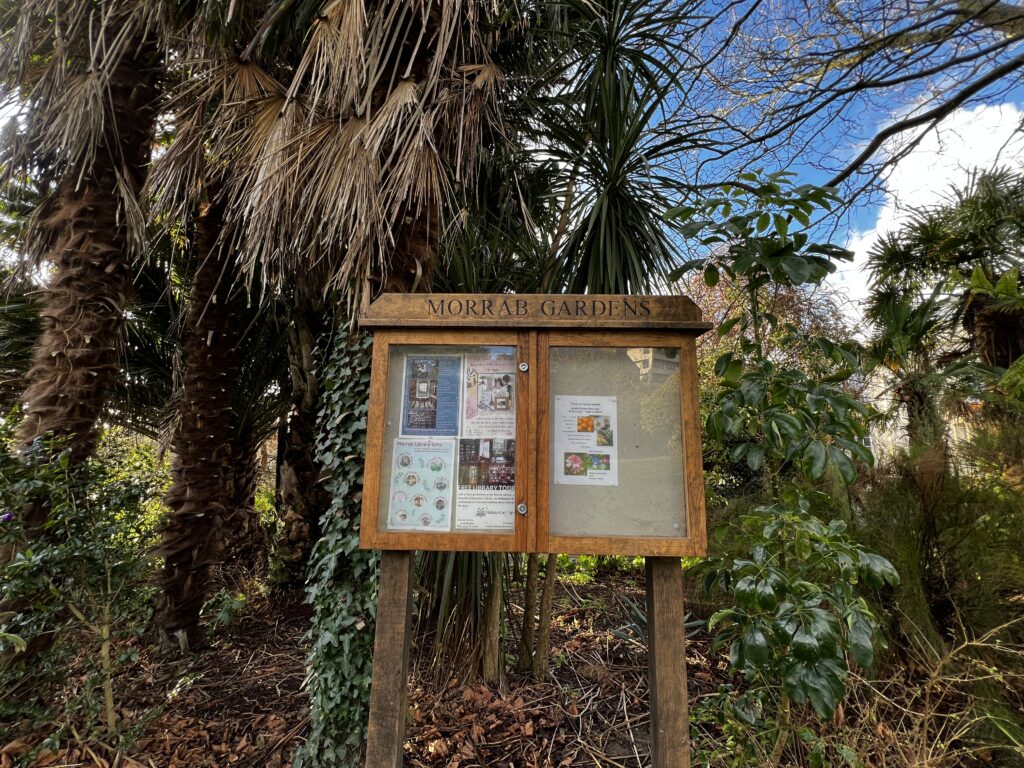
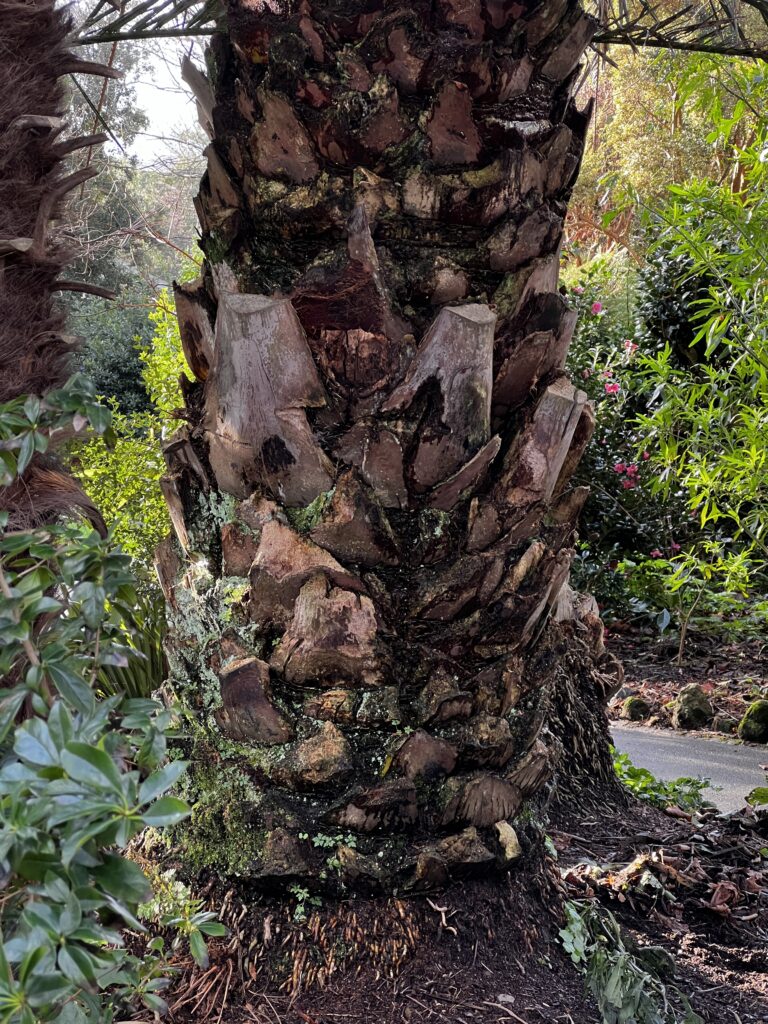
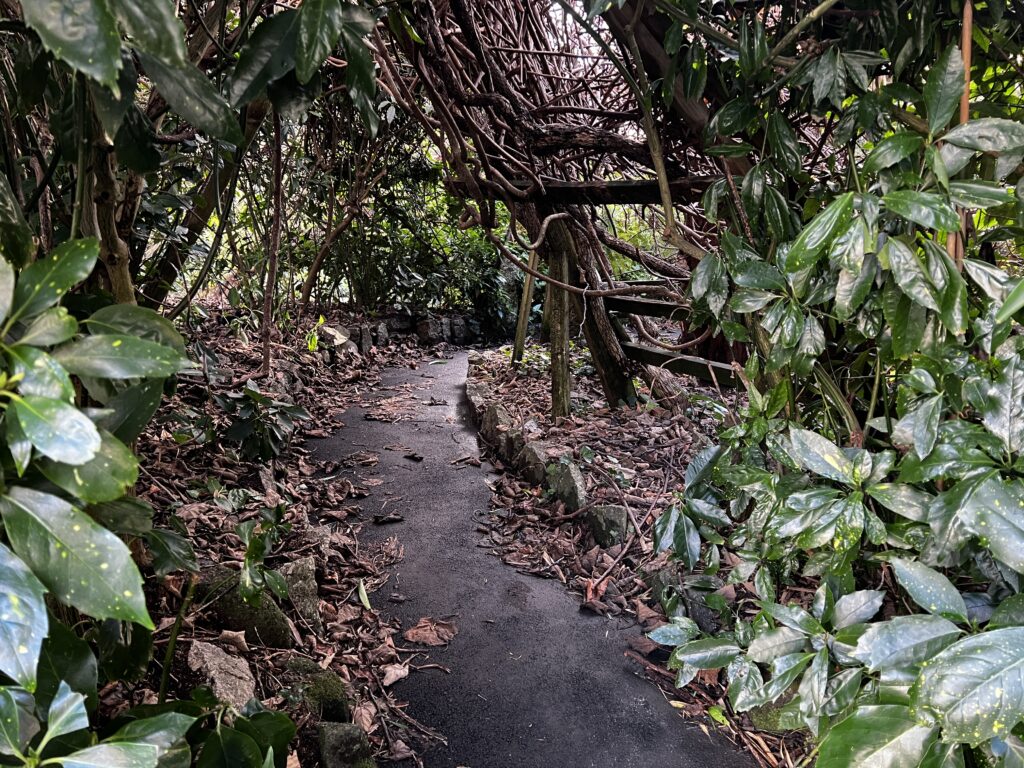
I arrived before the doors opened, which gave me time to walk through Morrab Gardens. Much of the garden remained green despite the time of year. Tall palms rose above the paths, and a sign near the entrance described the wildlife found among the plants. It was not the winter landscape I had expected to find in Cornwall.
My reason for visiting, however, waited inside the library.
Finding Charlotte’s work
I discovered Charlotte’s Twitter account, @HistoryCornwall, about two years before our meeting. Her research into Cornwall’s merchants and smugglers caught my attention because many of the same people and places appeared in my family history.
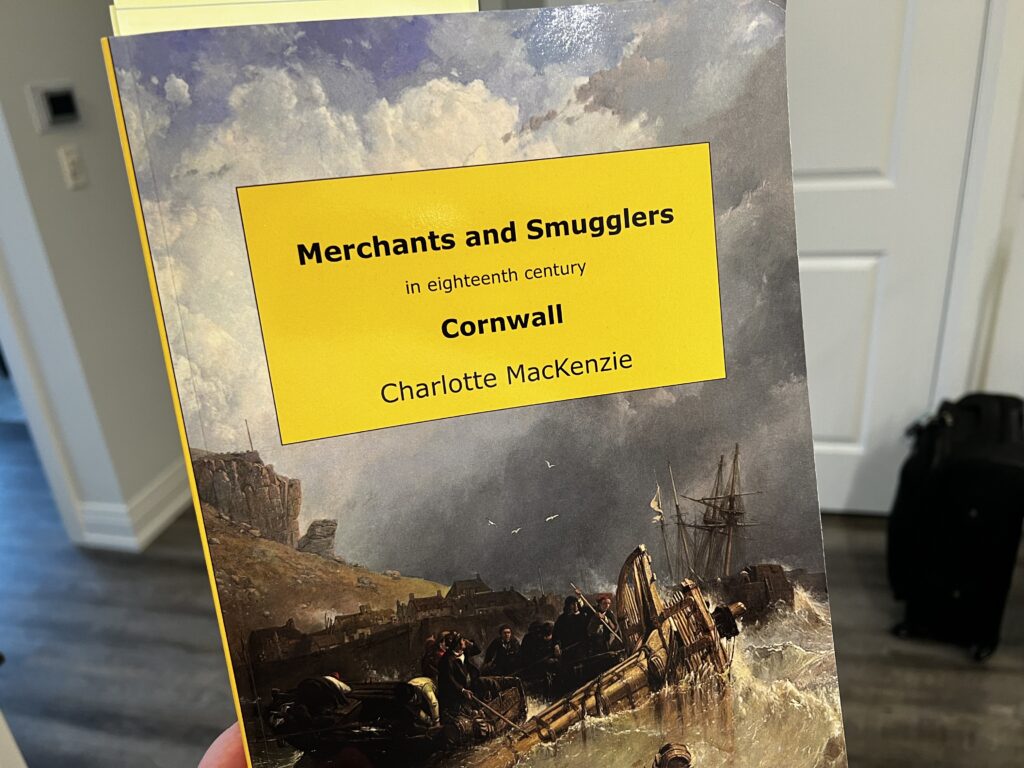
I soon found her book, Merchants and smugglers in eighteenth century Cornwall. I bought the electronic edition first so that I could search it for surnames. Before long, I ordered a printed copy as well.
The book contained several names I knew: Blewett, Edwards, Dewen, Cornish and Lemon. These were no longer isolated entries in registers or branches on my family tree. Charlotte had studied the family and commercial networks in which they lived.
Her research included the first two Samuel Lemons in my line, my sixth and seventh great-grandfathers. She had also consulted records that I intended to examine at Kresen Kernow.
Family research often produces conflicting accounts. I treat each new claim as a lead until I can trace it to an original record or a reliable archival source. Charlotte’s citations gave me new leads and, in several cases, the information I needed to request the records for myself.
I sent her a message on Twitter and asked whether she would meet me during my visit to Cornwall. She agreed and suggested Morrab Library, a place I had not encountered in my research.
Charlotte also sent me the library’s archive catalogue. Among its holdings were customs books from the Isles of Scilly. I marked them for further investigation because of Samuel Lemon’s later connection to the islands, a subject I explored in After Bankruptcy: Samuel Lemon and the Isles of Scilly.
Inside Morrab Library
We met on the library steps and escaped the January air.
Samuel Pidwell built Morrab House in 1841. Charles Campbell Ross later owned it. Ross represented St Ives in Parliament and had a career in banking and local government before his bank collapsed in 1896. The library took possession of the house in 1892.
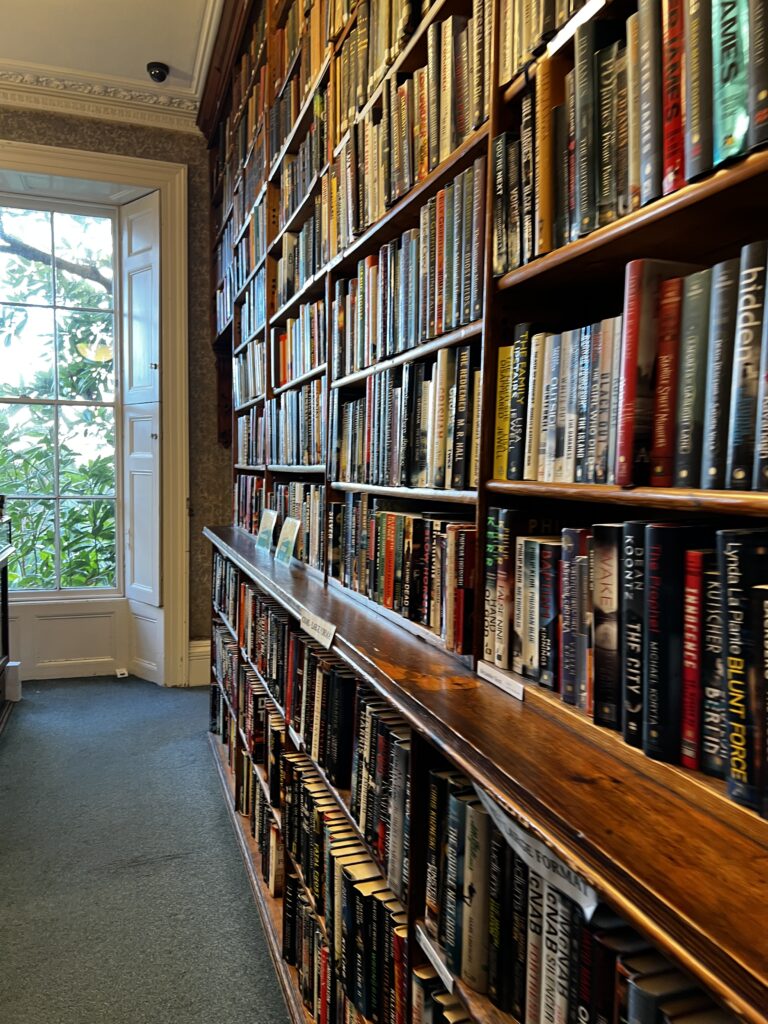
Charlotte showed me through a series of rooms lined with bookshelves from floor to ceiling. The house still felt like a house, which made it quite different from the larger public archives I had visited.
I took particular interest in the Elizabeth Treffry Collection on Women in Cornwall and the Isles of Scilly. The collection contains books and archival material devoted to the lives and work of Cornish and Scillonian women. Photographs and period paintings also lined the walls around the staircase.
We settled in one of the research rooms and began talking about the Lemon family. Charlotte knew the commercial world in which my ancestors had worked and could place their names within relationships that I had struggled to understand from individual records.
Our conversation also reached Cornwall’s participation in transatlantic trade and the slave trade. I had read little about that aspect of Cornish history. It left me with questions about the businesses and financial connections surrounding the merchants in my tree. Those questions require careful research, especially before drawing conclusions about any one person or family.
An unexpected property search
I had spent a week travelling around Cornwall by then, visiting places connected with my ancestors. The area had begun to feel familiar in a way I had not expected.
Charlotte and I left the library for a walk and stopped outside a local estate agent’s office to study the property listings. I found myself wondering what it might be like to have a place of my own in Cornwall. That remains something I would like to pursue one day.
Charlotte left me at the library to continue my research. Before we parted, we arranged to meet the following day in Marazion and walk the causeway to St Michael’s Mount. I felt too ill the next morning and had to cancel. I hope we can make that walk during another visit.
Thank you, Charlotte
Charlotte’s research has helped me locate records and understand the world in which my Lemon ancestors lived. Her footnotes led me back to the archives, where I could examine the evidence and continue the work for myself.
Readers interested in Cornish history can find Charlotte’s books through her Lulu author page. I recommend beginning with Merchants and smugglers in eighteenth century Cornwall, especially for anyone researching Cornwall’s eighteenth-century merchants and their families.
Thank you, Charlotte, for the sources and for making time to meet me at Morrab Library.